

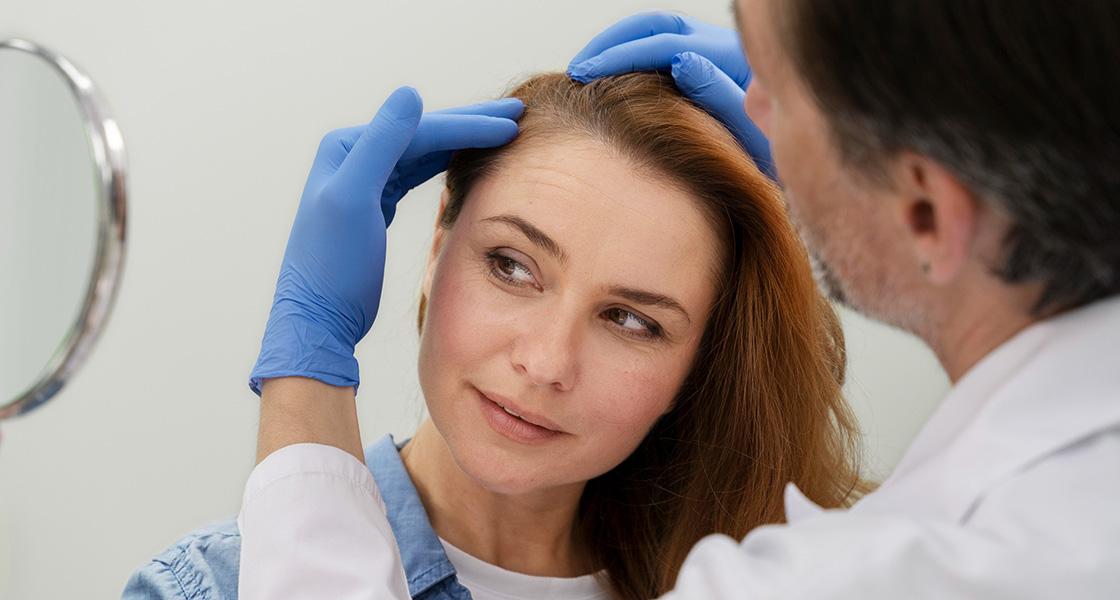
Hair Transplant for Women
Hair Transplant for Women

Duration
5-7 hour(s)

Hospitalisation
0 night(s)

Hotel
4 night(s)
Duration
5-7 hour(s)
Hospitalisation
0 night(s)
Hotel
4 night(s)
Hair loss in women is common and can be deeply distressing, especially when it affects the parting, crown, temples, or hairline. A hair transplant can be an effective option for selected women by moving healthy hair follicles from a donor area to areas of thinning or scarring, with the aim of creating natural-looking, long-term improvement in density.
Because female hair loss patterns can be more diffuse than male pattern baldness, careful diagnosis and planning are essential. At our specialist hair restoration clinic, the focus is on understanding why hair loss is happening, confirming whether transplantation is appropriate, and designing a plan that protects existing hair while improving overall appearance.
What this treatment aims to do
A hair transplant is a surgical procedure that relocates hair follicles that are genetically more resistant to thinning, usually from the back or sides of the scalp, into areas where hair is sparse. The transplanted follicles are placed in a way that follows natural hair direction, angle, and density.
In women, the goals are often to:
- Increase density through the central parting or crown
- Restore a receding or high hairline where appropriate
- Improve thinning at the temples
- Replace hair in areas of scarring from injury, burns, or certain types of traction-related hair loss
It is important to know that transplantation improves density in targeted areas, but it does not stop ongoing hair loss from other causes. Many women benefit from a combined plan that includes medical assessment and, where suitable, supportive treatments alongside surgery.
When a hair transplant may be suitable, and when it may not
Women can be good candidates for hair transplantation, but suitability depends on the pattern and cause of hair loss, the stability of hair shedding, and the quality of the donor area.
A transplant may be considered if:
- Female pattern hair loss is present and the donor area remains strong enough to provide grafts
- Hairline height or recession is a concern (including age-related changes)
- Hair loss is localised, such as traction alopecia that has stabilised, or hair loss related to scarring
- Hair loss has followed injury, burns, or surgery and the area is suitable for grafting
A transplant may be less suitable, or may need postponing, if:
- Hair loss is diffuse across the entire scalp including the donor area, leaving too little stable donor hair
- Shedding is temporary or potentially reversible, such as telogen effluvium triggered by illness, major stress, iron deficiency, thyroid disease, recent childbirth, or medication changes
- An inflammatory scalp condition is active (for example certain scarring alopecias) and needs specialist management first
- Hair-pulling disorder (trichotillomania) is ongoing, as this can compromise results
If hair loss is related to chemotherapy, timing is individual. Some women experience full regrowth, while others have incomplete regrowth. A careful assessment is needed to confirm stability and donor suitability before considering surgery.
Specialist assessment and planning
A thorough consultation is the most important step for women considering hair transplantation. Female hair loss has several possible causes, and the safest approach is to confirm the diagnosis before planning surgery.
Assessment typically includes:
- A detailed medical history, including family history, hormonal factors, recent illness, pregnancy, medications, and nutrition
- Scalp and hair examination, often with magnification (trichoscopy) to assess miniaturisation and donor strength
- Discussion of hair styling habits and traction risks
- Blood tests when indicated, for example to check iron stores, thyroid function, vitamin levels, or other relevant markers
Planning focuses on:
- Defining realistic goals for density and coverage
- Designing a hairline that suits facial proportions and age, and will continue to look natural over time
- Estimating graft numbers and deciding whether a single session or staged approach is safer
- Protecting existing hair, especially in areas where native hair is still present
How the procedure is generally performed
Hair transplantation is usually carried out under local anaesthetic, so you remain awake but the scalp is numbed. The procedure commonly takes several hours, depending on the number of grafts.
Two widely used techniques are:
Follicular Unit Extraction (FUE)
Individual follicular units are removed from the donor area using a fine punch. The grafts are then prepared and placed into tiny recipient sites in the thinning area.
Direct Hair Implantation (DHI)
Grafts are extracted in a similar way, but implantation is performed using a specialised implanter device. This can allow precise placement and may reduce the need for pre-made recipient incisions.
The most appropriate method depends on your hair characteristics, the area being treated, and the surgical plan. In women, donor management is particularly important, because the donor area may not be as clearly “permanent” as in many men.
What to expect after treatment
Most women can go home the same day. The scalp typically looks red and slightly swollen at first, and small scabs form where grafts were placed and where grafts were taken.
Common early experiences include:
- Mild to moderate swelling of the forehead or scalp for a few days
- Tenderness or tightness in the donor area
- Temporary numbness or altered sensation
- Itching as healing progresses
Aftercare instructions usually cover:
- When and how to wash the scalp and use any prescribed lotions or shampoos
- How to sleep with the head slightly elevated for the first few nights
- Avoiding scratching or picking scabs
- Avoiding strenuous exercise, heavy lifting, swimming, and saunas for a period advised by your doctor
- Guidance on returning to work, driving, and hair styling
Hair growth timeline and follow-up
Transplanted hair follicles need time to settle and restart a normal growth cycle.
A typical timeline is:
- First 1 to 2 weeks: scabs gradually shed; redness reduces
- Weeks 3 to 8: “shock loss” is common, where transplanted hairs shed. This is expected and temporary
- Months 3 to 6: early regrowth begins, often fine at first
- Months 6 to 12: noticeable improvement in density and coverage
- Up to 12 to 18 months: maturation continues, with thickening and better blending
Follow-up is an important part of care. Reviews allow healing to be checked, progress to be monitored, and any supportive treatments to be adjusted, particularly if ongoing female pattern hair loss is present.
Risks, limitations, and important considerations
Hair transplantation is generally safe when performed by an experienced medical team, but it is still a surgical procedure and carries risks.
Possible risks and side effects include:
- Swelling, bruising, redness, and discomfort
- Bleeding or prolonged oozing from donor or recipient sites
- Infection (uncommon, but possible)
- Folliculitis (inflamed hair follicles) during regrowth
- Temporary numbness or altered sensation
- Unnatural appearance if density, angle, or hairline design is not appropriate
- Patchy growth or lower-than-expected yield, sometimes requiring a further session
- Visible thinning in the donor area if too many grafts are taken or if donor hair is not stable
Important limitations to understand:
- A transplant redistributes existing hair. It does not create new follicles.
- If hair loss is ongoing, additional thinning can occur around transplanted areas over time.
- Some causes of hair loss need medical treatment first, and surgery may be inappropriate until the condition is stable.
Your doctor will also advise on factors that can affect healing and results, such as smoking, certain medications (including blood thinners), and nutritional deficiencies.
Your consultation and ongoing support
Choosing hair transplantation is a personal decision, and it should be made with clear information and realistic expectations. At our clinic, the process is designed to be supportive and medically thorough.
Your consultation focuses on:
- Confirming the cause and pattern of hair loss
- Discussing non-surgical options where appropriate
- Explaining the likely benefits and limitations in your specific case
- Planning a natural-looking result that fits your hair characteristics and long-term needs
- Providing clear aftercare guidance and a structured follow-up plan
If a transplant is not the right option, you will be advised honestly and guided toward alternatives that better match your diagnosis and goals. The aim is always safe, appropriate treatment and continuity of care from a team that understands the medical and emotional impact of hair loss in women.