

Beard Transplant
Beard Transplant
Duration
4-6 hour(s)

Hospitalisation
0 night(s)

Hotel
3 night(s)
Duration
4-6 hour(s)
Hospitalisation
0 night(s)
Hotel
3 night(s)
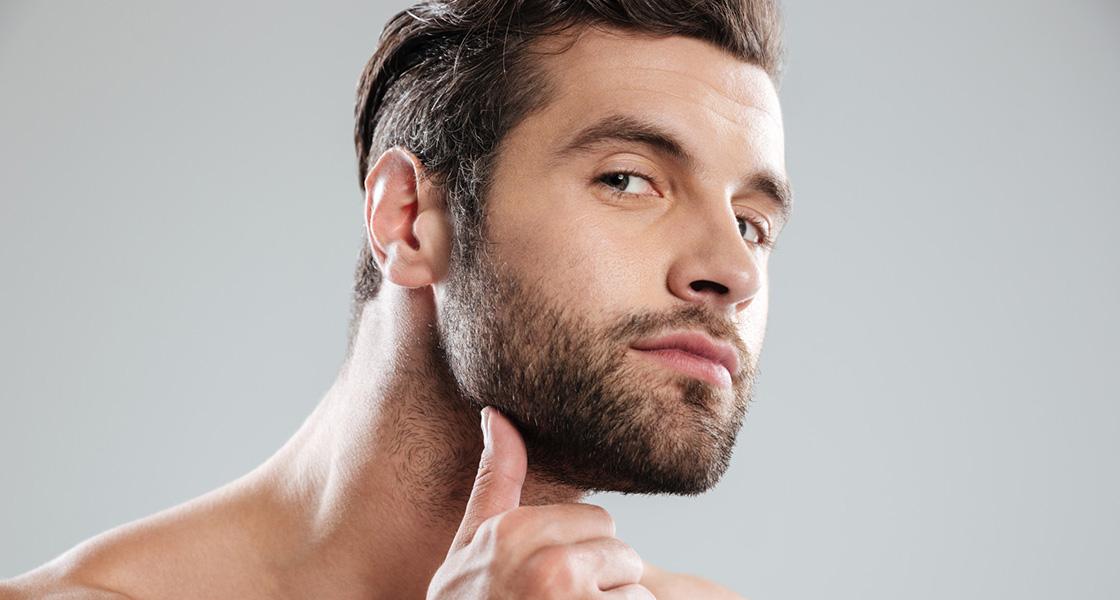
A beard transplant is a surgical hair restoration procedure designed to improve facial hair density or recreate beard growth in areas where hair is sparse or absent. It can be helpful for people who have patchy growth due to genetics, scarring, previous skin injury, or other causes. The aim is a natural-looking beard that suits your facial structure and grows like normal facial hair over time.
What a beard transplant is designed to achieve
The procedure involves moving healthy hair follicles from a donor area, most commonly the back or sides of the scalp, into carefully planned areas of the beard. Because the transplanted follicles are living hair roots, they can establish a blood supply in the new location and produce hair long-term.
A key part of a successful outcome is creating a beard pattern that looks natural for your face, including appropriate density, symmetry, and the direction and angle of hair growth. This planning is especially important around the moustache, goatee, cheeks, and jawline, where small differences in direction can affect how natural the result looks.
Who may benefit, and when it may not be the right option
A beard transplant may be suitable if you:
- Have naturally sparse or uneven facial hair and want more density
- Have gaps in the beard due to scars from injury, surgery, burns, or acne
- Have areas where beard hair does not grow despite time and normal grooming
- Want to reshape or strengthen specific areas such as the cheeks or jawline
There are also realistic limitations. A transplant cannot create unlimited density, and the final look depends on:
- The quality and quantity of donor hair available
- Your skin characteristics and healing response
- The size of the area being treated
- Whether there is significant scarring or reduced blood supply in the recipient area
It may be necessary to postpone or avoid the procedure if you have uncontrolled medical conditions, active skin infection or inflammatory skin disease affecting the face, a bleeding disorder, or if you are taking certain medications that increase bleeding risk. Some people with specific hair loss conditions (such as scarring alopecia) may need additional investigation before proceeding.
Assessment and planning at our clinic
Your care starts with a detailed consultation at our clinic, focused on both medical suitability and aesthetic planning. This typically includes:
- A review of your goals, preferred beard style, and areas of concern
- Examination of current facial hair growth and skin quality
- Donor area assessment to estimate how many grafts can be taken safely
- Review of your medical history, allergies, and regular medications
- Discussion of expected timelines, likely density, and any constraints
If you have scars, the assessment will also consider scar maturity, thickness, and blood supply, as these factors can influence graft survival. Where appropriate, a staged approach may be discussed for larger areas or when higher density is desired.
How the procedure is generally carried out
Beard transplantation is usually performed as a day procedure under local anaesthetic, sometimes with sedation depending on individual needs and clinical judgement. The overall duration varies with the number of grafts, but it commonly takes several hours.
Although techniques can differ, the process generally involves:
Donor hair collection Hair follicles are extracted from the donor area, most often using a follicular unit extraction (FUE) approach. Follicles are removed individually with fine instruments to minimise visible scarring.
Graft preparation The harvested follicles are inspected and prepared under sterile conditions. Grafts are kept hydrated and organised so they can be placed efficiently and safely.
Recipient site creation and implantation Tiny openings are created in the beard area following the planned design. The angle, direction, and spacing of these sites are critical for a natural result. The follicles are then implanted into these sites.
After implantation, the treated areas are cleaned and protected. Detailed aftercare instructions are provided, including how to manage washing, swelling, and activity restrictions.
What recovery is like and how results develop
Most people can return to non-strenuous daily activities within a few days, but the early healing phase is important for graft survival.
The first week
- Mild swelling, redness, tenderness, and small scabs are common
- The donor area may feel tight or sore for a short period
- The transplanted area should be protected from rubbing, pressure, and picking
A first wash routine is usually advised at a specific time point, and gentle cleansing is important to help scabs lift naturally.
The first month
It is common for transplanted hairs to shed in the first few weeks. This is known as temporary shedding or “shock loss” and does not usually mean the transplant has failed. The follicles typically remain in place and enter a resting phase.
3 to 6 months
New growth often begins gradually. Early hairs may appear finer or uneven at first, then improve in texture and consistency.
6 to 12 months
Density and overall appearance continue to mature. Final results are commonly assessed around 9 to 12 months, although individual timelines vary.
Once established, transplanted beard hair can be shaved and styled like natural facial hair. Because donor hair often comes from the scalp, it may grow slightly differently at first, and grooming habits may need minor adjustment.
Risks, side effects, and important considerations
Beard transplantation is generally well tolerated, but it is still a surgical procedure and carries risks. These are discussed in detail during consultation so you can make an informed decision.
Possible risks and side effects include:
- Infection (uncommon, but possible with any procedure involving skin incisions)
- Bleeding or bruising
- Swelling of the face, especially in the first few days
- Itching and irritation during healing
- Temporary numbness or altered sensation in the donor or recipient area
- Ingrown hairs or folliculitis during the regrowth phase
- Patchy growth or lower-than-expected density if some grafts do not survive
- Visible changes in the donor area such as small dot scars, usually subtle with FUE
Important considerations:
- Results are not immediate and require patience
- Density is limited by donor supply and skin characteristics
- Smoking and poor aftercare can reduce graft survival
- Some people may benefit from a second procedure if higher density is desired
Your consultation journey and ongoing support
Choosing a beard transplant is both a medical and aesthetic decision. Our medical team supports you from the first assessment through recovery and longer-term follow-up. You will receive:
- A personalised treatment plan based on your facial structure and donor supply
- Clear guidance on preparation, including medication and lifestyle adjustments where relevant
- Structured aftercare instructions and access to clinical advice during healing
- Follow-up reviews to monitor progress and address concerns such as irritation, uneven early growth, or grooming questions
If you are considering this procedure, a consultation is the best next step. It allows a careful assessment of suitability, a realistic discussion of what can be achieved, and a plan that prioritises natural appearance and long-term results.