

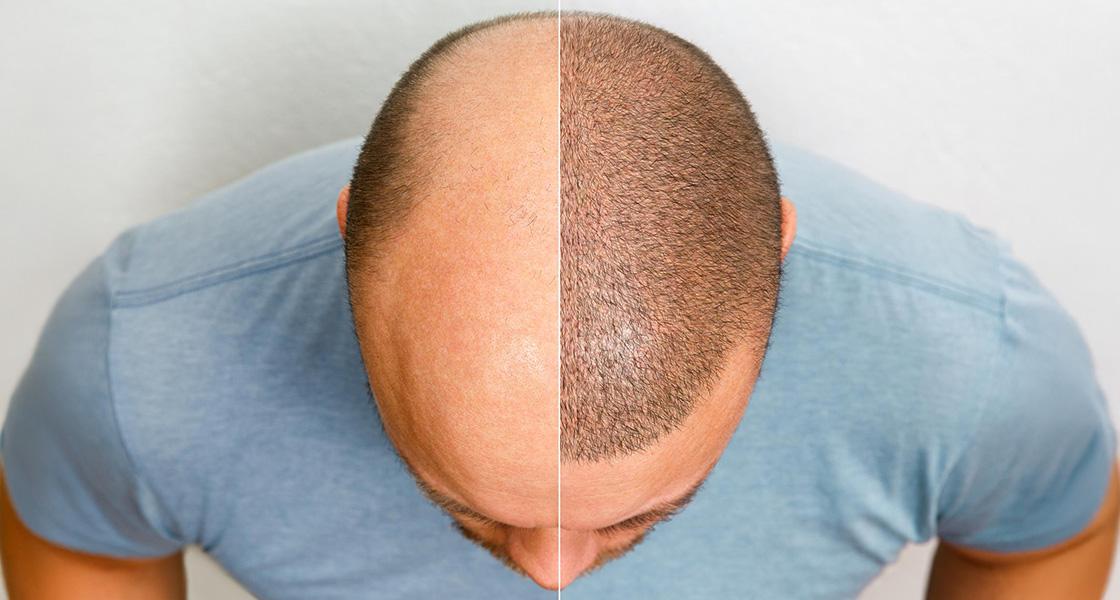
FUE Hair Transplant
FUE Hair Transplant

Duration
5-7 hour(s)

Hospitalisation
0 night(s)

Hotel
4 night(s)
Duration
5-7 hour(s)
Hospitalisation
0 night(s)
Hotel
4 night(s)
Hair loss can affect confidence and day-to-day wellbeing, whether it develops gradually or becomes more noticeable over a shorter period. An FUE hair transplant is a modern surgical option designed to restore hair in thinning or bald areas using your own hair follicles, with careful planning to achieve a natural-looking hairline and coverage.
Understanding the FUE technique and what it aims to achieve
FUE stands for Follicular Unit Extraction. In this method, individual follicular units (small natural groupings of 1 to 4 hairs) are taken from a donor area, usually the back and sides of the scalp where hair tends to be more resistant to pattern hair loss. These follicles are then implanted into areas of thinning or baldness.
The goal is to improve the appearance of hair density and recreate a hairline that suits your face, age, and hair characteristics. FUE does not stop ongoing hair loss in non-transplanted areas, so long-term planning is an important part of treatment.
Who FUE hair transplantation can help, and when it may not be the right fit
FUE may be suitable for people who:
- Have male or female pattern hair loss with areas of thinning or baldness that are unlikely to recover with medical treatment alone
- Have sufficient donor hair density and quality at the back and sides of the scalp
- Want a scar-minimising approach compared with strip-based techniques
- Have realistic expectations about achievable density and the time needed to see results
It may be less suitable, or require more cautious planning, if:
- Hair loss is very early or rapidly progressing, particularly in younger patients where the future pattern is harder to predict
- Donor hair is limited, very fine, or already thinning significantly
- There are scalp conditions (such as active dermatitis, psoriasis, or scarring alopecia) that could affect healing or graft survival
- There are medical conditions that increase procedural risk, such as poorly controlled diabetes, bleeding disorders, or significant cardiovascular disease, unless cleared by the appropriate specialist
A transplant can restore hair where follicles are placed, but it cannot create unlimited density. In extensive hair loss, the donor supply can be a limiting factor, and staged procedures may sometimes be discussed.
Pre-treatment assessment and planning at our clinic
A successful outcome depends on careful assessment and design, not just the day of the procedure. Your consultation focuses on:
- Your hair loss history, family history, and the likely pattern of future thinning
- Examination of the donor area to estimate how many grafts can be safely taken without visibly thinning the back and sides
- Assessment of hair calibre (thickness), curl, colour contrast with skin, and existing density, all of which influence the visual result
- Hairline design that fits your facial proportions, age, and gender, and looks natural as you move and style your hair
- Review of medications and supplements, including those that can increase bleeding risk
If appropriate, medical treatment to stabilise ongoing hair loss may be discussed as part of a longer-term plan. This is particularly important because transplanted hair is only one part of managing progressive hair thinning.
What happens during an FUE hair transplant
FUE is usually performed under local anaesthetic, often with additional medication to help you feel relaxed. The procedure is carried out at our clinic and typically involves the following stages.
Donor area preparation
The donor area is usually trimmed short to allow accurate extraction. Local anaesthetic is applied to numb the scalp.
Follicle extraction
Individual follicular units are removed one by one using a fine punch instrument. This creates tiny circular entry points that generally heal well and are difficult to notice once healed, especially when hair is worn at a typical length.
Graft handling and preparation
Extracted follicles are carefully checked and prepared for implantation. They are kept protected and hydrated to support graft survival. Follicles may be sorted by the number of hairs they contain, which helps create a softer, more natural-looking hairline and build density behind it.
Implantation into thinning or bald areas
Small recipient sites are created in the target area, and grafts are placed with attention to direction, angle, and distribution. This step is crucial for a natural appearance, particularly at the hairline and temples.
Procedure length varies depending on the number of grafts and the complexity of the design. Your team will advise what to expect for your specific plan.
Aftercare, recovery, and what to expect over time
Healing after FUE is usually straightforward, but the scalp needs gentle care in the early period.
The first days and weeks
- Mild swelling, tightness, or tenderness can occur, especially in the first few days.
- Small scabs form around implanted grafts and typically shed over 7 to 14 days.
- The donor area may look slightly pink or feel sensitive for a short time.
You will be given clear aftercare instructions, which commonly include guidance on washing, sleeping position for the first nights, and avoiding friction or trauma to the grafts.
Shedding phase (often 2 to 8 weeks)
It is common for transplanted hairs to shed after the procedure. This is often called shock shedding and is a normal part of the hair cycle. The follicles remain in place and new growth follows.
Regrowth timeline
- Early regrowth often begins around 3 to 4 months.
- Visible improvement usually develops between 6 and 9 months.
- Final results commonly take about 9 to 12 months, sometimes longer depending on individual hair growth cycles.
Hair continues to mature over time, often becoming thicker and blending more naturally with surrounding hair.
Risks, limitations, and important considerations
All surgical procedures carry some risk. With FUE, complications are uncommon when performed by experienced clinicians and when aftercare guidance is followed, but it is important to understand possible issues:
- Infection (rare), usually managed with appropriate treatment
- Prolonged redness, swelling, or discomfort
- Temporary numbness or altered sensation in donor or recipient areas
- Folliculitis (inflamed hair follicles) during regrowth
- Uneven growth or lower-than-expected density, which may require additional treatment
- Visible signs in the donor area if hair is shaved very short, as FUE can leave tiny dot-like marks
- Ongoing hair loss in non-transplanted areas, which can change the overall look over time
A key limitation is donor supply. The number of grafts available is finite, so planning must balance today’s goals with future needs.
How FUE compares with strip-based transplantation (FUT)
FUE and FUT both transplant hair follicles, but they differ in how donor hair is obtained. FUT involves removing a strip of scalp and closing the wound with stitches, leaving a linear scar. FUE removes follicles individually, avoiding a long scar and typically allowing a faster, more comfortable recovery for many patients. The best option depends on your hair characteristics, donor area, and styling preferences.
Your consultation, continuity of care, and ongoing support
From your first appointment through follow-up, our medical team focuses on safe planning, natural aesthetics, and long-term hair health. Your care typically includes:
- A detailed consultation and scalp assessment
- A personalised treatment plan, including graft estimates and hairline design
- Clear pre-procedure preparation advice, including medication and supplement guidance
- Structured aftercare instructions and scheduled follow-up to monitor healing and progress
If you are considering FUE, the most helpful next step is a consultation to assess donor suitability, discuss realistic outcomes, and build a plan that fits both your current hair loss and likely future changes.