

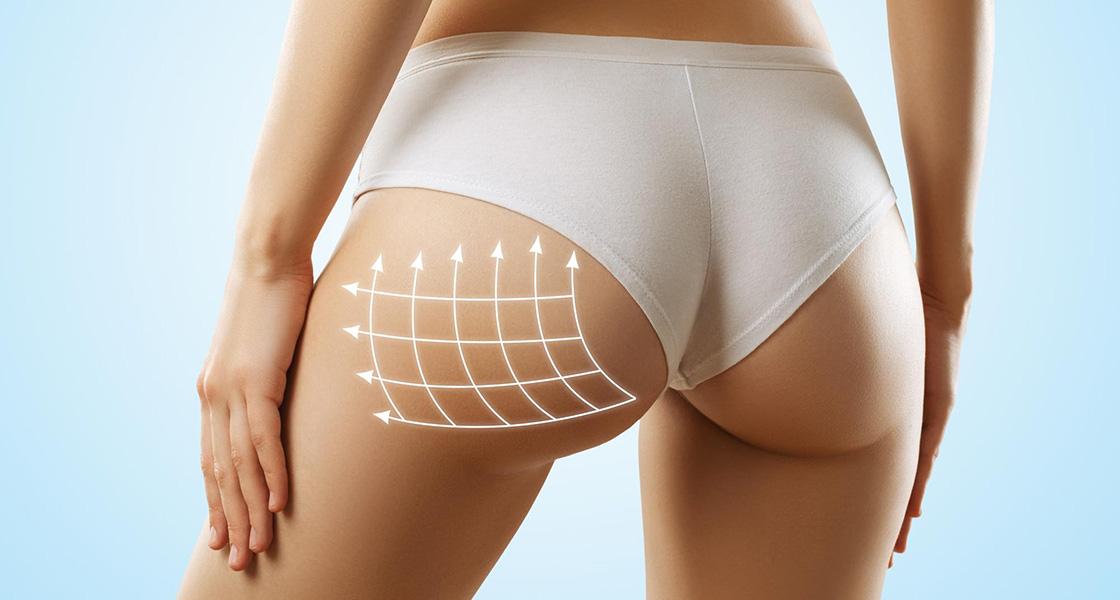
BBL – Brazilian Butt Lift
BBL – Brazilian Butt Lift
Duration
3-4 hour(s)

Hospitalisation
1 night(s)

Hotel
7 night(s)
Duration
3-4 hour(s)
Hospitalisation
1 night(s)
Hotel
7 night(s)
A Brazilian butt lift (BBL) reshapes the buttocks using your own fat, while also improving contour in areas where fat is removed. It can be an effective option for people who want a fuller, rounder buttock shape without implants, and who also want more definition through the waist, abdomen, flanks, back, or thighs. Because it is a surgical procedure, careful planning and a safety-first technique are essential.
What a BBL is designed to do
A BBL is a fat transfer procedure. Fat is removed from selected areas of the body using liposuction, then processed and re-injected into the buttocks to improve volume, projection, and shape.
The goals are usually to:
- Add volume to the buttocks in a natural-feeling way
- Improve overall proportions, often by narrowing and smoothing the waistline and surrounding areas
- Enhance contour and symmetry, including upper buttock fullness and hip shape
Unlike buttock implants, a BBL uses your own tissue. This can be appealing for patients who prefer to avoid an implant and want a softer, more natural look and feel.
Who may be a good candidate, and who may not
A BBL may be suitable if you:
- Want more buttock volume and improved shape, with realistic expectations
- Have enough excess fat in donor areas (such as the abdomen, flanks, back, or thighs) to safely harvest
- Are generally healthy and able to have surgery under general anaesthesia
- Can follow recovery instructions, including strict limits on sitting and pressure on the buttocks early on
A BBL may be less suitable if you:
- Have very low body fat and insufficient donor fat for transfer
- Smoke or use nicotine and are unable to stop before and after surgery (nicotine significantly increases wound-healing problems and can reduce fat survival)
- Have certain medical conditions that increase surgical or anaesthetic risk
- Want a very large size increase that may not be achievable safely with fat transfer alone
If there is not enough donor fat, or if a larger increase is desired than fat transfer can reliably provide, buttock implants or a staged approach may be discussed as alternatives.
Planning and assessment before surgery
A thorough consultation is an important part of BBL safety and results. At your assessment, our plastic surgery team will typically:
- Discuss your goals, preferred shape, and what is realistically achievable for your body
- Review your medical history, medications, previous surgery, and any risk factors such as smoking
- Examine skin quality, existing buttock shape, and donor areas for liposuction
- Explain scarring (usually small), likely recovery milestones, and how results evolve over time
- Arrange appropriate pre-operative tests, which may include blood tests and an ECG depending on your health and age
A personalised plan is then created, including where fat will be taken from, how much can be safely harvested, and how the buttocks will be shaped.
How the procedure is generally carried out
A BBL is performed under general anaesthesia.
Although exact steps vary, the procedure usually includes:
1) Liposuction from donor areas
Small incisions are made, and liposuction is used to remove fat from selected areas such as the abdomen, flanks, lower back, thighs, or arms. The aim is not only to collect fat for transfer, but also to improve overall contour.
2) Processing the fat
The removed fat is purified and prepared so that healthy fat cells can be transferred.
3) Fat transfer to the buttocks
The prepared fat is injected in multiple small passes to build shape and improve symmetry.
Safety technique and ultrasound guidance
BBL safety depends heavily on technique. A key safety principle is that fat should be placed in the subcutaneous layer (the fatty layer under the skin) and not injected into the buttock muscle. Many specialist teams now use ultrasound guidance during fat transfer to confirm the position of the cannula and help keep injection in the intended plane. This approach is designed to reduce the risk of serious complications, including fat embolism.
Recovery and what to expect after a BBL
Recovery is a gradual process, and the first few weeks are especially important for protecting the transferred fat.
The first days
- Swelling and bruising are common in both the liposuction areas and the buttocks.
- Discomfort is expected and is usually managed with prescribed pain relief.
- Early walking is encouraged to support circulation, but strenuous activity is avoided.
Sitting and sleeping restrictions
To help transferred fat survive, pressure on the buttocks must be minimised:
- Sitting is usually restricted for the first few weeks. When sitting is necessary, a special cushion and careful positioning may be advised.
- Sleeping is typically recommended on the front (or sometimes the side, depending on your plan) rather than on the back early on.
Your surgeon will give specific guidance based on the technique used and your anatomy.
Compression garments
A compression garment is commonly recommended after liposuction to reduce swelling and help the skin retract. This is usually worn for several weeks.
Returning to work and exercise
- Many patients return to desk-based work in around 2 to 3 weeks, depending on how sitting can be managed.
- More physical jobs may require longer.
- Exercise is reintroduced gradually. Light activity may start earlier, while gym training and higher-impact exercise typically wait several weeks, based on clinical review.
When results become clearer
Swelling can make the buttocks look larger at first. Over the following weeks, some of the transferred fat is naturally reabsorbed by the body. Final results are usually assessed after several months, once swelling has settled and fat survival has stabilised.
Results, fat survival, and long-term changes
Not all transferred fat will survive. A proportion is expected to be absorbed during healing, and the amount varies between individuals. For this reason:
- The initial result may look fuller than the long-term outcome
- A second procedure may be considered in selected cases if additional volume is desired and it is safe to do so
Long-term results are best maintained with a stable weight. Significant weight loss after surgery can reduce buttock volume, while weight gain can increase fat volume in both the buttocks and other areas.
Risks, limitations, and important considerations
All surgery carries risk. Your team will explain these in detail and how they are reduced, but key considerations include:
Common or expected effects
- Swelling, bruising, and soreness
- Temporary numbness or altered sensation
- Fluid build-up (seroma) in liposuction areas
- Irregularities or firmness in areas treated with liposuction
Aesthetic risks
- Asymmetry
- Under-correction or over-correction
- Fat reabsorption leading to less volume than expected
- Need for revision surgery in some cases
Medical and surgical risks
- Infection
- Bleeding or haematoma
- Blood clots (deep vein thrombosis or pulmonary embolism)
- Anaesthetic complications
Serious BBL-specific risk: fat embolism
Fat embolism is a rare but potentially life-threatening complication. Risk is strongly linked to injection technique and depth. For this reason, modern safety protocols focus on avoiding intramuscular injection and may include ultrasound guidance to confirm cannula position during fat transfer.
Because of these risks, a BBL should only be undertaken after careful assessment, with a clear safety plan and realistic goals.
Your consultation journey and ongoing support
Choosing a BBL is a personal decision, and it is normal to have detailed questions about safety, scarring, recovery, and what is achievable.
At our clinic, care is structured to provide continuity from first consultation through surgery and follow-up. You can expect:
- A clear, individualised surgical plan based on your anatomy and goals
- Pre-operative guidance on medications, smoking cessation, and preparation
- A detailed recovery plan, including sitting and sleeping advice
- Scheduled follow-up appointments to monitor healing and results
- Access to our medical team if you have concerns during recovery
If you are considering a BBL, the next step is a specialist consultation to confirm suitability, discuss options, and agree a plan that prioritises both safety and natural-looking results.